Camellia Gardens Flying-fox Camp Management Plan 2025
Consultation has concluded
Consultation period: 24 June - 23 July 2025
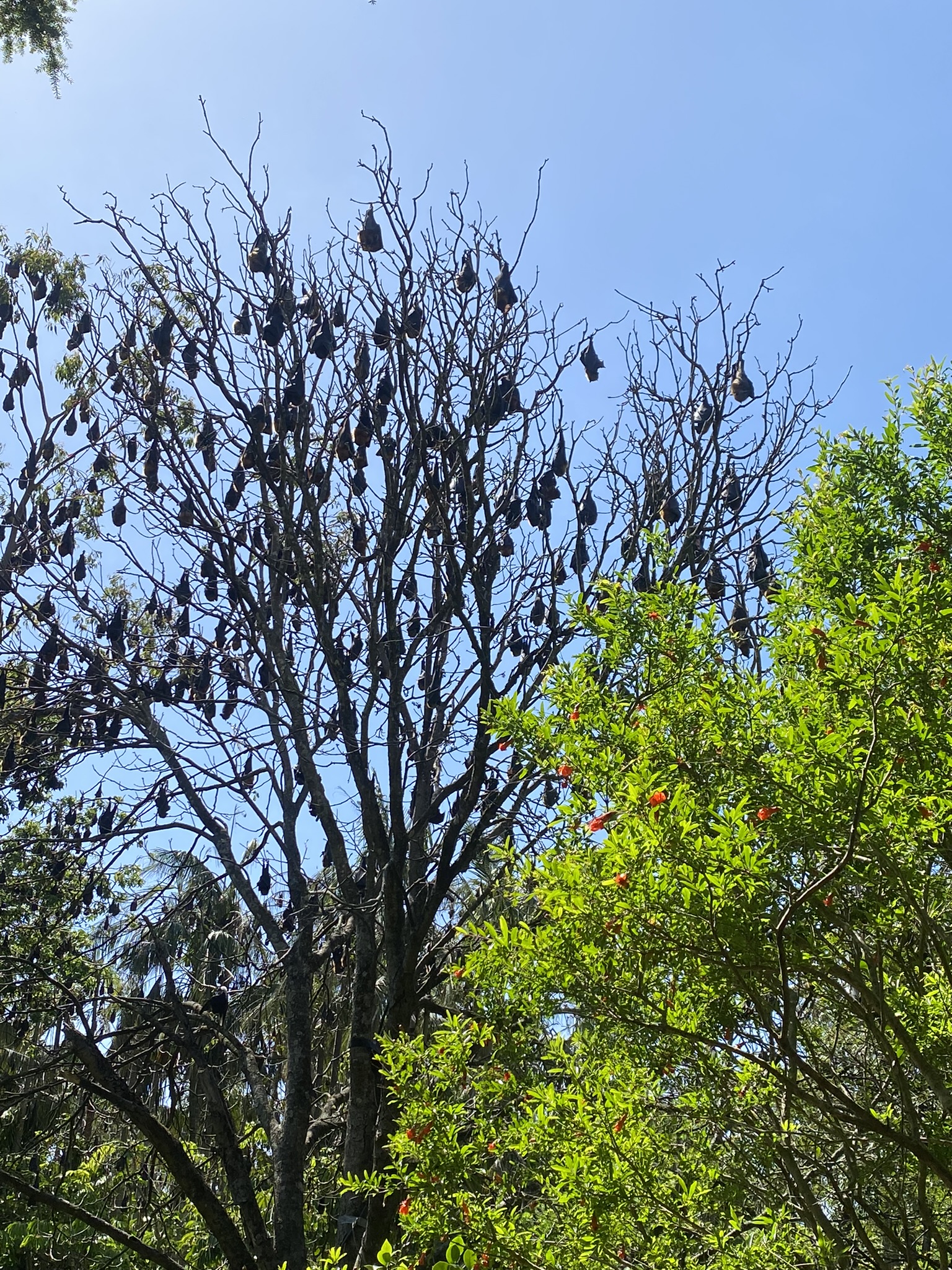
We have revised the Camp Management Plan (CMP) for the grey-headed flying-fox camp located at E.G. Waterhouse National Camellia Gardens in Caringbah South.
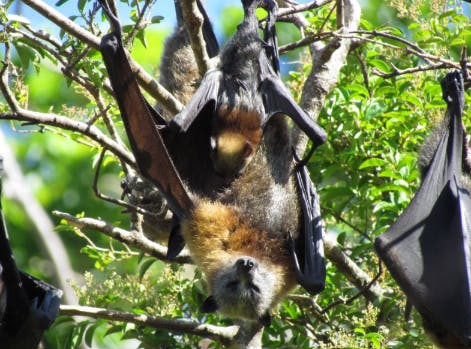
We know Camellia Gardens is a much-loved space by our community. It's also been home to a camp of native grey-headed flying-foxes since 2016.
Council is seeking your feedback on the latest CMP to help us:
- manage the flying-foxes and their habitat
- protect special planting and cultural aspects of the gardens
- manage potential conflict between users of the gardens, flying-foxes and their habitat
- manage and minimise public health and safety risks.
You can learn more about this protected species in NSW here, including its behaviour, benefits and risks.
Have your say
View the draft CMP here and have your say until 23 July 2025:
- Online by taking the survey below
- Email feedback to EnvScience@ssc.nsw.gov.au
- In writing to Environmental Science Unit, Sutherland Shire Council, Locked Bag 17, Sutherland 1499, NSW.
Next steps
Following community consultation, Council will review and consider all feedback. Some changes may be made to the CMP. It will then be finalised and reported to Council for approval. We will keep interested members of the community updated.
-
Camp Management Plan - Adopted
 Consultation has concluded
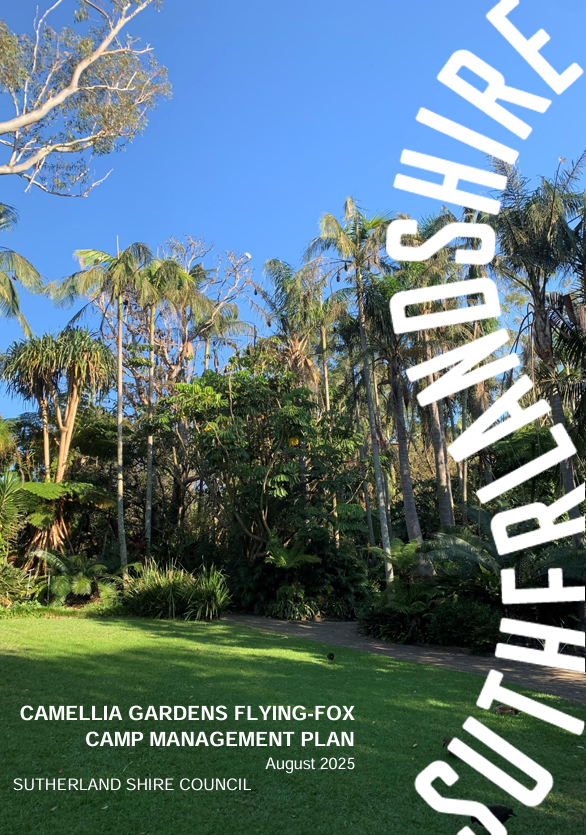
The Camellia Gardens Flying-Fox Camp Management Plan (CMP) was reported to Council in October 2025 and unanimously adopted.
It can be found here on our website
-
Response to feedback in CMP
 Consultation has concluded
Community feedback revealed a range of perspectives regarding the Camellia Gardens Flying-fox Camp.
Support for Council’s proposed camp management plan (CMP) approach was evenly divided, with a slight majority in favour. Respondents expressed both emotional and practical concerns, particularly regarding future accessibility and enjoyment of the Gardens for families and visitors.
A significant proportion of submissions advocated for the conservation of the Grey-headed Flying-fox and supported in-situ protection measures. This highlights the importance of a balanced management strategy—one that addresses community concerns while upholding Council’s environmental and legislative responsibilities.
The revised CMP reflects and responds to key themes in community feedback through:
• In-situ Management: Dispersal and relocation are ruled out due to ecological risk, legal constraints, and past ineffectiveness. Dispersal is rarely effective - read more here.
• Amenity Mitigation: Measures include odour-reducing plants, indoor neutralising pots, covered infrastructure (e.g. Kareena Creek bridge), and vegetation management.
• Health Education: The CMP provides factual information on disease risks and promotes hygiene protocols and signage.
• Community Support: A subsidy program is proposed for residents near the camp to assist with property protection and amenity improvements.
• Cultural Engagement: Council commits to engaging the Aboriginal Advisory Committee and Environmental Reference Group in ongoing planning and monitoring.
• Education & Outreach: New signage, digital resources, and community engagement sessions will be implemented to raise awareness and foster coexistence.
• Monitoring & Adaptation: Regular camp monitoring and contingency planning are included to ensure responsive management.
Council acknowledges the diverse views shared and thanks all contributors for their input. This feedback has directly shaped the CMP. It aims to deliver a responsive, evidence-based approach that integrates amenity restoration, public education, and ecological stewardship.
The CMP is planned to be reported to Council for adoption in October 2025.
-
Consultation results available
Consultation has concludedThank you to everyone who provided feedback on the Camp Management Plan. All feedback received will help shape the final plan, which will be reported to Council for adoption in the coming months.
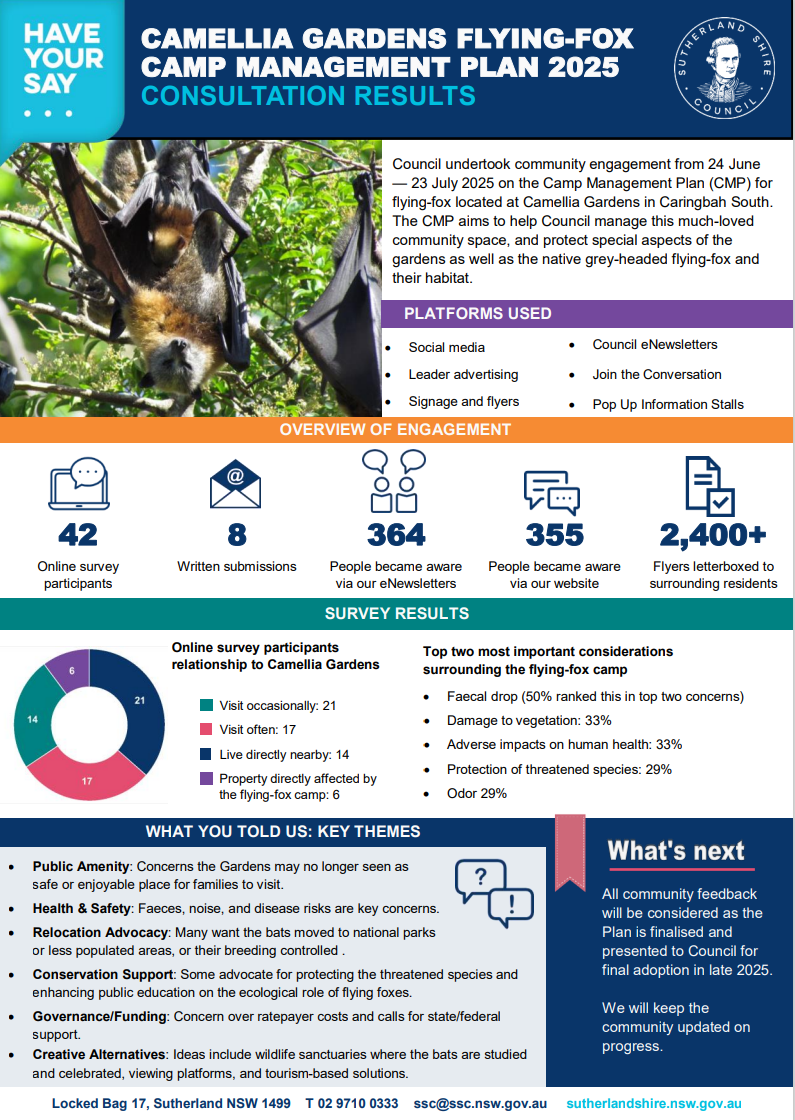
Read the consultation summary here or click the image below.